

1/21/26
BRAND DESIGN SINGAPORE: THE 5-LAYER CREDIBILITY SYSTEM THAT MAKES CUSTOMERS TRUST YOU

If your brand looks “nice” but people still hesitate to enquire, book, or buy, the problem usually isn’t your aesthetics. Instead, visitors feel uncertain.
In other words, trust isn’t something you “add” with one testimonial or a fancy logo. Trust happens when your brand reduces doubt across every touchpoint—your website, Instagram, Google profile, and even your booking messages.
That’s where brand design in Singapore becomes more than a visual exercise. When it’s done properly, it creates a credibility system people can feel in seconds.
Why “trust” is really an uncertainty problem
Most visitors don’t arrive ready to commit. They arrive with questions:
- “Is this business legit?”
- “Do they do what I need?”
- “What happens if I book?”
- “Will this be worth it?”
So even if they like your vibe, they pause when your brand leaves gaps.
People don’t reject you—they pause because they feel unsure
People rarely think, “I don’t trust them.” Instead, they think:
- “Let me check later.”
- “I’ll compare a few options.”
- “I’m not sure if this is for me.”
However, those delays often become drop-offs.
Brand design reduces uncertainty faster than more marketing
More content won’t fix a credibility gap. More posting won’t fix inconsistent messaging. Instead, you need a brand system that makes your business feel:
- clear
- consistent
- verifiable
- easy to engage with
That’s exactly what strong brand design builds.
Brand design is not a logo (and not only a website)
Brand design often gets reduced to “logo + colours.” But for small businesses—especially service-based businesses—brand design must cover how customers experience you.
What brand design actually includes for a small business
Think of brand design as three parts working together:
1) Visual identity
- logo system (not just one logo)
- typography and layout rules
- colour palette used consistently
- photography direction (lighting, tone, crops)
2) Brand voice + messaging
- how you describe your offer
- the words you repeat consistently (and what you never say)
- how you sound in captions, emails, and on your site
3) Customer touchpoints (online + offline)
- website sections and flow
- Instagram highlights and pinned posts
- Google Business Profile photos and services
- booking confirmation messages
- service menus, consultation forms, aftercare PDFs, packaging
Therefore, if your website looks premium but your booking message feels messy, your brand still feels uncertain.
Read: How Strong Branding Increases Conversions
The 5-Layer Credibility System (your brand trust framework)

Use this framework to identify where trust leaks. You don’t need to overhaul everything at once. Instead, fix the weak layer first.
Layer 1 — Recognition (consistency across touchpoints)
If your website feels calm-luxury but your Instagram feels random, your brand becomes harder to trust.
Where inconsistency shows up
- different logo versions across platforms
- changing fonts and colours every week
- mismatched photography styles (dark moody on IG, bright on website)
- different business names (e.g., “Studio Name” vs “Studio Name SG”)
- different service names across your menu, IG, and website
Quick fix: Choose one visual “rule set” you repeat everywhere:
1–2 fonts, one button style, one photo style, one tone of voice.
Layer 2 — Clarity (positioning + offers)
Clarity answers: What do you do, who is it for, and what result do they get?
Even a beautiful brand fails when it stays vague.
The “in 5 seconds” test
If someone lands on your page, can they tell within 5 seconds:
- what you offer
- who it’s for
- what to do next
Use this simple clarity line:
[Service] for [audience] who want [outcome]—without [common fear/pain].
Example (beauty studio):
“Custom facials for acne-prone skin—without harsh routines or guesswork.”
Additionally, keep your offer naming consistent. If you call something “Signature Facial” on IG but “Deep Cleanse Ritual” on your website, you create confusion.
Layer 3 — Reassurance (proof + risk reduction)
Reassurance is the layer most people try first (testimonials). However, proof is bigger than testimonials.
Proof types beyond testimonials
Use proof that feels real and verifiable:
- before/after (where appropriate and ethical)
- screenshots of results or feedback (with permission)
- “what’s included” breakdowns
- FAQs that remove fear
- mini case stories: “problem → approach → outcome”
- credentials, training, certifications (only if relevant)
Better proof language (more believable):
- Instead of: “Amazing service!”
- Use: “The plan felt realistic, and my skin calmed down within 3 weeks.”
Risk reduction matters too:
- clear policies
- what happens in the first appointment
- what they should expect (duration, pain level, downtime, follow-up)
As a result, people feel safer taking action.
Layer 4 — Reliability (the experience of dealing with you)
This is the most underrated layer. Reliability is not “branding” in the traditional sense, yet it affects trust instantly.
If it feels hard to book you, people assume it will feel hard to work with you.
What reliability looks like in real life
- fast-loading pages and readable mobile layout
- easy booking link placement (not hidden)
- clear response expectations (“Replies within 24–48 hours”)
- consistent professionalism in messages
- smooth handoffs: booking → confirmation → prep → aftercare
Quick fix: Audit your booking experience like a customer.
If you feel even slightly confused, your visitor will feel worse.
Layer 5 — Reputation (the web confirms you’re real)
Even if your branding looks perfect, customers still “check” you.
They look for consistency and confirmation:
- Google reviews
- photos of your space
- business hours and location
- consistent service list
- matching contact details
A simple reputation alignment checklist
- business name matches everywhere
- address and hours are correct
- service names match your website
- images look current and consistent
- reviews are easy to find
Meanwhile, keep your best photos in your Google profile too—not only on Instagram.
Brand design checklist for Singapore small businesses
You don’t need to fix everything today. Instead, prioritize based on your stage:
If you’re early-stage (focus on clarity + recognition)
Start here:
- One clear positioning line
- Consistent visual identity across website + IG + Google
- One clear booking path (one link, one CTA, one flow)
If you’re established but “not converting” (focus on reassurance + reliability)
Then tighten:
- Proof with context (not generic praise)
- Process transparency (“How it works”)
- Booking experience (mobile-first, simple, predictable)
As a result, your brand will feel more credible without a full rebrand.
Real-world examples that increase trust (not just a website)
Here are touchpoints that instantly raise credibility when they feel cohesive:
1) Service menus / treatment cards
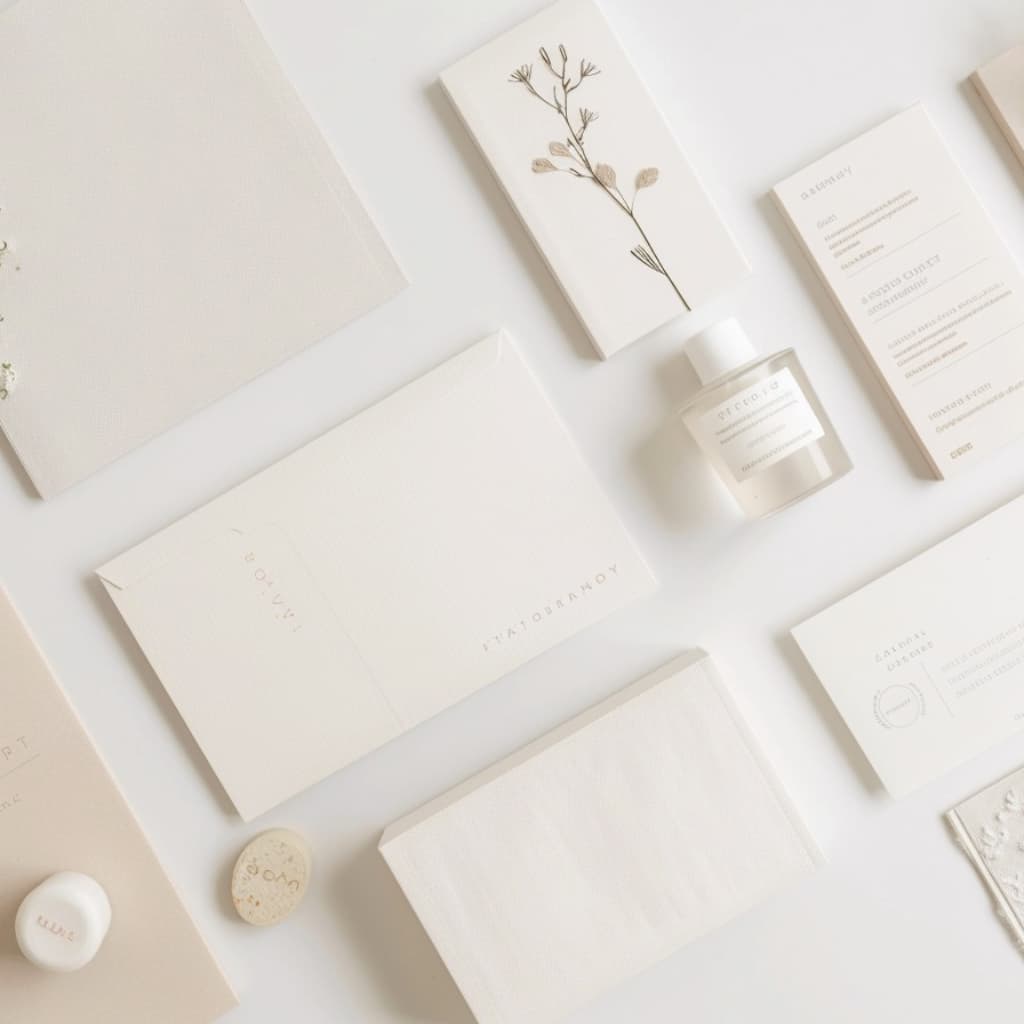
A simple printed or PDF service menu that uses your brand fonts, spacing, and tone makes your business feel established.
2) Studio signage and consultation forms
Even one clean sign and one consistent consultation form makes your brand feel “real,” not improvised.
3) Booking confirmations and aftercare PDFs
If your confirmation message feels messy or inconsistent, it breaks trust right after someone commits.
Instead, design:
- a clean confirmation email/script
- a branded pre-appointment note
- a branded aftercare checklist
These small details feel premium because they reduce uncertainty.
Conclusion: Credibility is designed—then repeated
Trust isn’t a tagline. It’s an outcome.
When your brand design creates recognition, clarity, reassurance, reliability, and reputation, your business feels safe to choose. Therefore, customers stop hesitating—and start taking the next step.
If you want a practical action today: pick the weakest layer and improve one touchpoint this week. Small fixes compound quickly.
FAQ
Brand design usually includes visual identity, messaging direction, and how your brand shows up across touchpoints—website, Instagram, Google profile, and customer materials like menus or PDFs.
Because people look for consistency and confirmation. When your brand looks cohesive and your experience feels clear, customers feel safer taking action.
Start by aligning your business name, service names, visuals, and contact details across your website, Instagram, and Google Business Profile. Then add clear process steps and proof with context.
Not always. Many small businesses improve credibility by tightening consistency, clarifying offers, and upgrading a few key touchpoints first.
Branding is the strategy and perception. Brand design is how that strategy becomes visible through identity and customer touchpoints.


