

People often use “intentional design” as a compliment, but rarely explain what it actually means.
Many small business websites look clean, modern, or minimal, yet still fail to communicate clearly, build trust, or support growth. The issue isn’t a lack of aesthetics. It’s a lack of intention behind the decisions.
Intentional design is not about trends, templates, or decoration.
It’s about why each element exists, how it supports the business, and how everything works together as a system.
This post explores what intentional design really means for small business websites — and why it matters far more than visual polish alone.
Why People Often Misunderstand “Good Design”
People often judge design by how it looks, rather than how it works.
But a website that looks good can still:
- confuse visitors
- feel inconsistent
- fail to guide action
- underperform over time
Good design is not about adding more — it’s about removing what doesn’t serve a purpose.
When designers make decisions without intention, websites turn into collections of elements instead of cohesive experiences.
See examples of this philosophy in action at our Showit design portfolio.
Intentional Design Starts Before Visuals
Intentional design begins long before colours, fonts, or layouts are chosen.
It starts with understanding:
- who the website is for
- what problem it solves
- what action it should support
- how the business wants to be perceived
Without this clarity, design becomes reactive — based on inspiration, trends, or preferences rather than purpose.
When I approach small business website design for clients, I focus on structure before aesthetics—ensuring every hierarchy decision supports the user’s journey.
The Core Principles of Intentional Website Design
1. Structure Comes Before Style
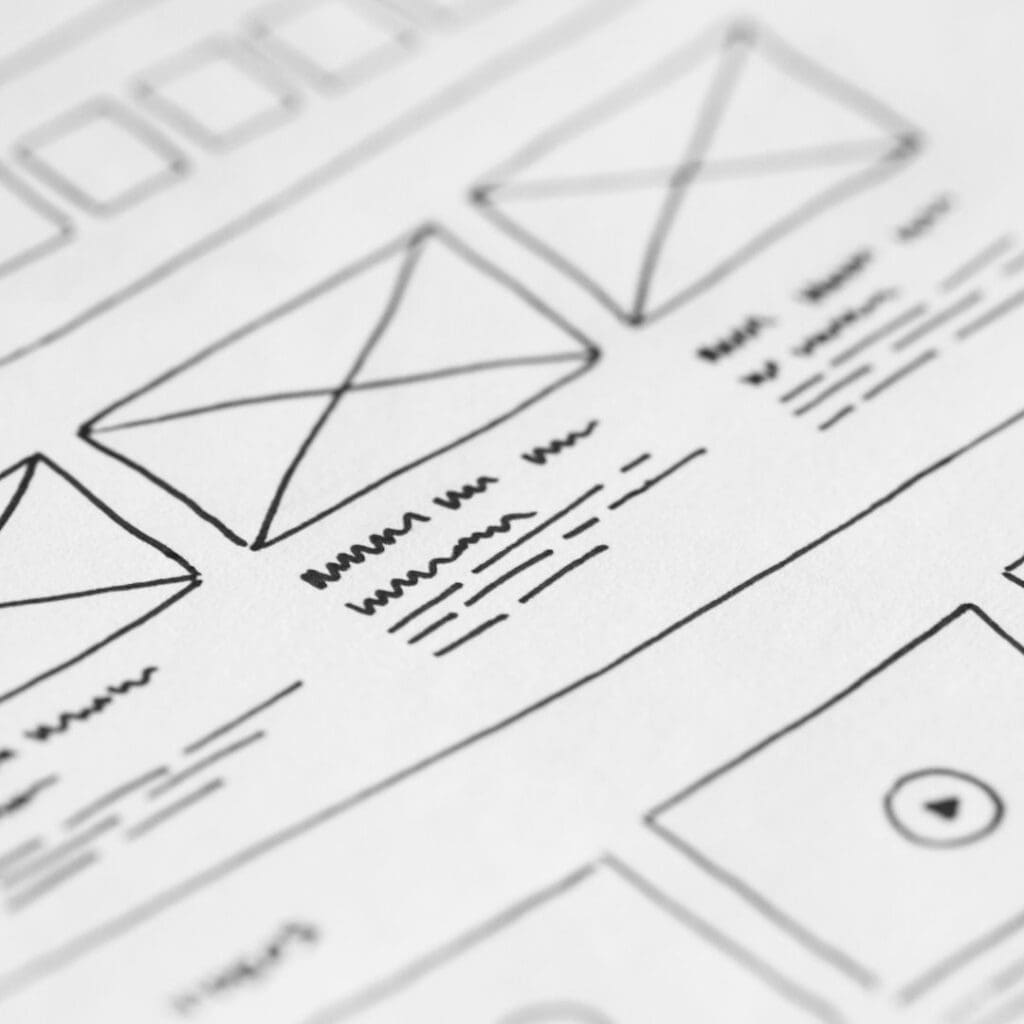
Intentional websites have:
- clear page hierarchy
- logical navigation
- deliberate spacing
- visual emphasis where it matters
When structure is intentional:
- visitors understand the offering faster
- content feels easier to digest
- decisions feel simpler
Style enhances structure — it should never replace it.
2. Every Design Choice Has a Reason
In intentional design, nothing is arbitrary.
This includes:
- why a section exists
- why a call-to-action appears where it does
- why certain content is prioritised
- why whitespace is used generously
When every element has a purpose, the website feels calm, confident, and considered.
3. Branding Is Woven In, Not Layered On
Branding in intentional design is not decorative.
It influences:
- tone of voice
- rhythm of the layout
- emotional pacing
- visual restraint
Instead of adding branding at the end, intentional websites integrate brand thinking throughout the build.
Small Business Branding: How Strong Branding Increases Conversions
4. Clarity Is a Design Decision
Clarity is not just about copy — it’s about design.
Intentional design considers:
- what the visitor sees first
- what stands out visually
- how content is grouped
- how attention is guided
A clear website reduces cognitive load and builds trust quietly.
Small Business SEO: The Complete Guide to Ranking Your Website
(Clarity and structure support both usability and findability.)
Google Search Central — Creating helpful, people-first content
https://developers.google.com/search/docs/fundamentals/creating-helpful-content
What Intentional Design Looks Like in Practice
Calm Layouts That Guide, Not Overwhelm
Intentional layouts avoid visual noise and unnecessary sections.
Consistent Visual Language
Typography, spacing, and imagery feel cohesive across every page.
Fewer, Clearer Calls-to-Action
Instead of asking visitors to do everything, intentional websites guide them to one meaningful next step.
Design That Supports Content
Content is not forced into layouts — layouts are designed to support content.
Why Intentional Design Matters for Small Businesses
For small businesses, a website often acts as:
- the first impression
- the main sales touchpoint
- a credibility signal
- a long-term business asset
Intentional design helps small business websites:
- age better over time
- require fewer redesigns
- support SEO naturally
- convert without pressure
It creates a sense of confidence — not through persuasion, but through clarity.
This is why my web design process always starts with strategy sessions before opening any design software.
Intentional Design vs Trend-Led Design
Trends prioritise what’s popular now.
Intentional design prioritises what works long-term.
Trend-led websites often:
- feel outdated quickly
- require frequent changes
- prioritise visuals over usability
Intentional design focuses on:
- longevity
- restraint
- alignment
- purpose
This is especially important for small businesses with limited time and resources.
Final Thoughts
Intentional design is not about doing more.
It’s about doing what matters — thoughtfully, clearly, and with purpose.
When design decisions are intentional, websites don’t just look refined.
They feel trustworthy, grounded, and effective.
That’s what allows a small business website to truly work.
If your website looks fine but doesn’t feel aligned or effective, it may be missing intention. Pixel Perfect designs small business websites with clarity, structure, and purpose — not trends.


